Seven Days is considered the sweet spot for Kenya safari- it is long enough to tour three or four top wildlife destinations in Kenya without rushing yet short enough to fit into a realistic international itinerary. The iconic Nairobi-Nakuru-Naivasha-Masai Mara circuit has been refined over the years for safari travelers since the park link geographically, the wildlife is varied and the routes build in intensity – that is, by the time you reach the Masai Mara on Day 4, you have already had enough time for warm-up game viewing.
This guide is designed for tourists flying into Kenya and planning their 7 day Kenya safari itinerary rather than booking a group tour. This guide will cover the real driving time up until the park entry fees, where you can self drive and where a driver-guided vehicle is needed, and how to arrange the right car hire for each leg of the trip.
Before You Start: Self-Drive vs. Driver-Guided on This Route
It is important to understand before finalizing your itinerary that not every section of this route works the same way for self-drive visitors.
- Nairobi → Lake Nakuru →Lake Naivasha: This stretch is fully doable on a self-drive with a foreign license coupled with an International Driving Permit (IDP) especially if you license is not in English. The roads between these parks are tarmacked and you do not need a guide.
- Masai Mara National Reserve: As of June 2024, self-driving inside the main reserve was banned for tourists. A licensed driver-guide and approved safari vehicle are needed to explore the reserve. This requirement is enforced at the gates. Surrounding private conservancies like the Mara North, Nabiosho, and Olare have their own regulations but the main reserve requires a guided vehicle.
What does this mean?
You can hire a 4X4 for the Nakuru and Naivasha stretch and switch to a driver-guided vehicle with your operator for the Masai Mara days. You can also book a driver-guided 4×4 for the entire 7-day circuit which most tourists agree make their whole trip simpler and more rewarding.
At Centric Safaris, we offer both options. See our vehicle fleet and driver-guided hire options here →

The 7-Day Route at a Glance
| Day | Leg | Drive time | Highlights |
| Day 1 | Arrive Nairobi (JKIA / NBO) → Nairobi overnight | N/A | Nairobi National Park, rest and prep |
| Day 2 | Nairobi → Lake Nakuru National Park | ~2.5–3 hrs | Flamingos, rhinos, Rothschild giraffes |
| Day 3 | Lake Nakuru full day | In-park driving | Baboon Cliff viewpoint, rhino sanctuary |
| Day 4 | Lake Nakuru → Lake Naivasha | ~1 hr | Hippo boat ride, Hell’s Gate cycling |
| Day 5 | Lake Naivasha → Masai Mara | ~4.5–5 hrs | Arrive for afternoon game drive |
| Day 6 | Masai Mara full day | In-reserve | Big Five, wildebeest, cheetah |
| Day 7 | Masai Mara → Nairobi (or fly out) | ~5–6 hrs road / 45 min flight | Departure via road or Wilson Airport |
Day 1: Arrival in Nairobi — Pick Up Your Vehicle
You will land at the Jomo Kenyatta International Airport (JKIA) and collect your hire vehicle from our team at the airport. We Offer direct pickup at JKIA arrivals- no shuttles or waiting at an off-site lot.
Book your JKIA airport pickup car hire here →
For Day 1, we recommend staying in Nairobi but it depends on your preferences. If you land in the morning and have the energy, the Nairobi National Park is located a few minutes’ drive from the Airport. It is the only national park in the world located within a capital city making it a great stating point. You can spot lions, buffalo, and rhinos. The entry fee for non-residence is USD 80 per person and you will be required to pay online before arrival or at the gate.
Otherwise, you can check into you hotel, relax and get ready for dinner as you plan for an early departure the following morning. The best practice is to leave Nairobi by 7:00AM on Day 2 to beat the city traffic.
Day 2: Nairobi to Lake Nakuru National Park (~160 km, 2.5–3 hours)
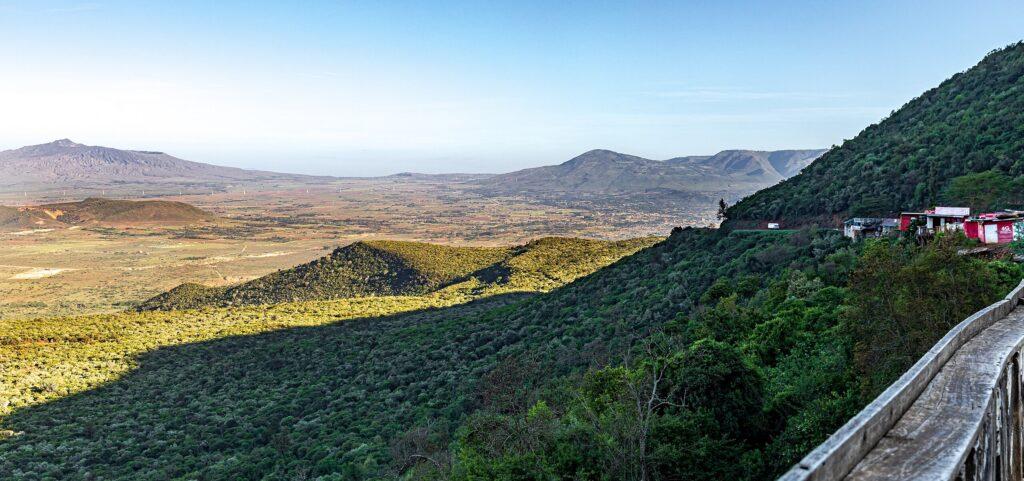
This is an easy drive for first timers. The A104 highway stretching from Nairobi to Nakuru is well tarmacked, climbing out of Nairobi through kikuyu, winding through the Rift Valley escarpment, and curving along the valley floor. The Rift Valley Viewpoint on your way to Naivasha town is worth a few minutes’ stops where on a clear morning you can enjoy exceptional views of the Great Rift Valley.
Drive breakdown:
- Nairobi → View Point: About an hour drive
- View point → Naivasha Town: 45 minutes
- Naivasha town → Lake Nakuru main Gate: About an hour
This stretch will take about 3 hours including spots to enter the park by midday and right on time for an afternoon game drive.
What to Expect at Lake Nakuru National Park
Lake Nakuru National Park is among the few premium parks in Kenya offering a compact and densely wildlife packed experience. Although relatively small (188kmsqd), the park has a remarkable diversity of animals:
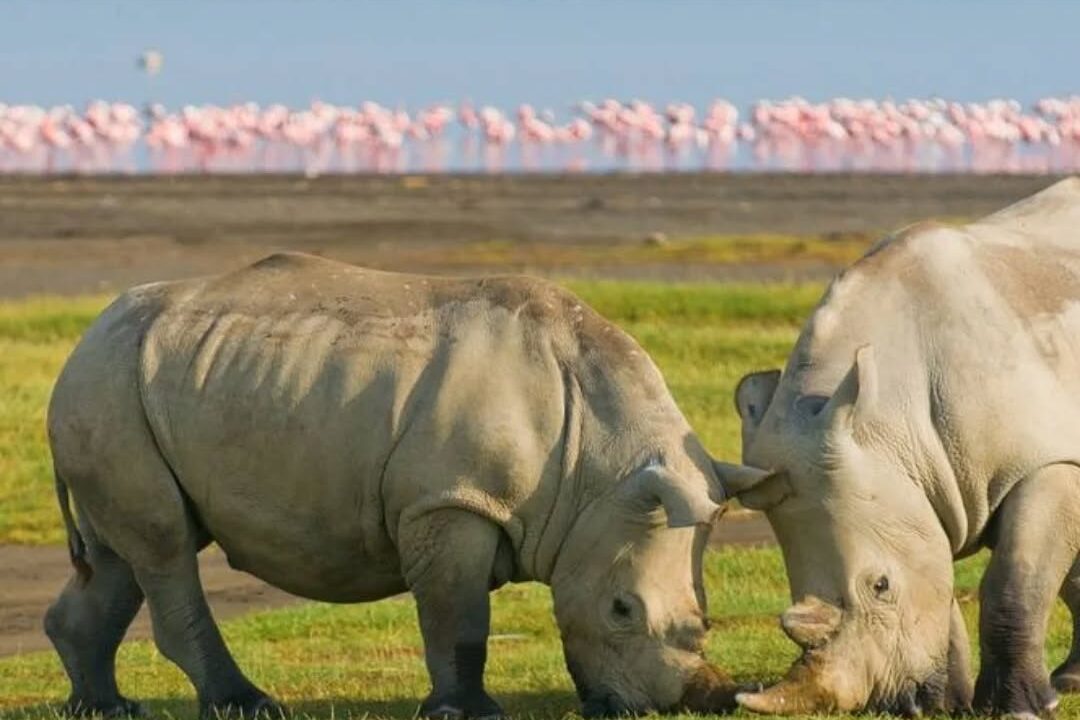
- Flamingos: The saline lake is a key flamingo habitat –home to the greater and lesser flamingos. The number of these birds fluctuate seasonally but on a good day, the lake appear pink from a far.
- Rhinos: Lake Nakuru is a protected rhino sanctuary where you can find the black and white rhinos. This is among the few places in Kenya where you can easily spot both species.
- Rothschild’s giraffes: This is one of the rarest subspecies of the giraffes introduced to the park for protection. They are easy to spot at the northern end of the park.
- Other wildlife: Lions, hippos, leopards, buffalo, colobus monkeys, waterbuck, and baboons as well as over 450 bird species.
Park entry fee for non-residents adults: USD90 and USD 45 for children aged 5 -17 years. The fee is paid online before arrival or at the gate. Cash is not accepted. The fee is subject to periodic revisions and can be confirmed by visiting kws.go.ke.
Night 2: Stay or near Lake Nakuru National Park. The lodges right next to the park put you close to an early morning game drive when the animals are most active.
Day 3: Full Day at Lake Nakuru
Day 3 will be a full day game drive inside the park. You will leave the lodge at sunrise (6:00AM) and head for the shores where the flamingo concentration is highest in the morning. Afterwards, you will follow the main game circuit road toward Makalia Falls and then loop back north through the rhino sanctuary fenced area by afternoon.
Must See:
- Baboon Cliff — an elevated viewpoint offering panoramic view of the entire lake and flamingo flocks from a vantage point. Consider visiting by mid-morning before tourist vehicles fill up.
- Lanet Gate Area– this a quieter, less crowded entry corridor used for rhino tracking in the forested section of the park.
For self-drive tourists, Lake Nakuru National Park is manageable with a 4×4 and good map. The roads are well marked and maintained. If you have a driver-guide for the Masai Mara legs, this is a day you can still drive independently.
Night 3: Same lodge near Lake Nakuru.
Day 4: Lake Nakuru to Lake Naivasha (~50 km, ~45 minutes)
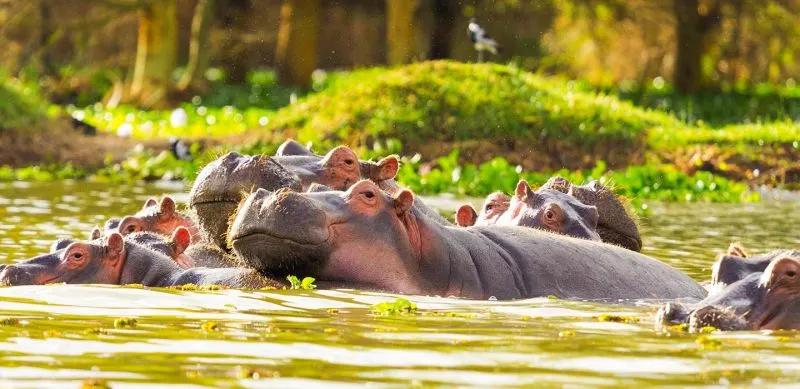
This is a short drive taking about 45 minutes. Lake Naivasha lies south of Nakuru. Along the way is Lake Elementaita where you can spot pelicans and flamingos from the road. Lake Naivasha is a freshwater lake with its shores dotted with acacia and papyrus. The lake is home to the largest hippo population in Kenya.
Activities at Lake Naivasha
Boat ride: You can take a boat-ride for hippo spotting which is the highlight of the circuit. The boat rides can be arranged by the nearby camps and lodges. You can spend upto 2 hours on the water past hippo pods, spot the African eagles and the kingfishers.
Hell’s Gate National Park: This is the most unusual park in Kenya where you can cycle or walk among zebra, buffalo, and giraffes. There are no lions or elephants. The spectacle to look forward to is the Ol Njorowa Gorge. Entry fee for non-resident adults is USD 50 per person.
Crescent Island: This is a private sanctuary where you can walk among zebras, wildebeest, and giraffes on foot. This is a rare experience for most tourists. Entry is by prior arrangement through lodges. Night 4: Stay at a lodge or camp on the Lake Naivasha shore.
Day 5: Lake Naivasha to the Masai Mara (~213 km, ~4.5–5 hours)
Day 5 will be the longest drive of the itinerary and it is where the roads change dramatically. You will leave Naivasha by 7:00AM to get to the Mara gate by midday if you want to enjoy an afternoon game drive.
Route overview: The standard rout run from Naivasha, joining the A104 briefly before turning west on the B3 highway towards Narok. Narok is the last major town and you will fill up on fuel before heading to Mara. Past Narok, expect the road to transition to murram/gravel as the terrain opens into rolling grassland. The road towards Sekenani gate has greatly improved but expect a few rough sections and dust during the dry season.
Note on current road conditions (2026): As of early 2026, there are several ongoing road constructions that could slow down your pace significantly.
Important: If you had a self-drive vehicle for the Nakuru and Naivasha days, your driver-guide must join you at Naivasha for the Mara stretch or before entering the Masai Mara. This is the handover point on our driver-guided packages. Contact us to arrange your Masai Mara transfer seamlessly.
Gates to know:
- Sekenani Gate – fastest from Naivasha and most commonly used
- Talek Gate- Good for camps near Talek River
- Oloololo Gate – used for Mara Triangle access, 45 minutes more from Naivasha
Masai Mara park entry fees (2026): Entry Fee is charged on a 12hours (6AM -6PM). Non-residents currently pay USD 200 per person in peak seasons (July – October) and USD100 in low season. Check the rates at the Narok County Tourism portal or with your operator. Fees must be paid before arrival.
You will arrive in the Mara by early afternoon and head straight into the reserve for your first game drive when sighting predators is easier.
Night 5: Inside or adjacent to the Masai Mara Reserve or a conservancy.
Day 6: Full Day in the Masai Mara
Day six will start before dawn. The Masai Mara offers a dense wildlife population. This is the most reliable Big Five sighting destination with one of the highest lion density in Africa. Your driver-guide will be in radio contact with other vehicles within the reserve which increase your sighting rate. This is the clearest advantage of a driver-guided vehicle compared to self-drive.
What you can realistically expect to see:
- Lions — almost certain; prides are regularly tracked in the open plains under the shade
- Elephants — common in the acacia zones along the Mara River
- Buffalo — large herds throughout the Mara
- Cheetah — the Mara has a healthy cheetah population, especially in the open plains
- Leopard — possible in the riverine forests; more luck with an experienced guide. This is the most elusive animal in the reserve.
- Hippos — Stop by the Mara River crossing point for hippo sightings
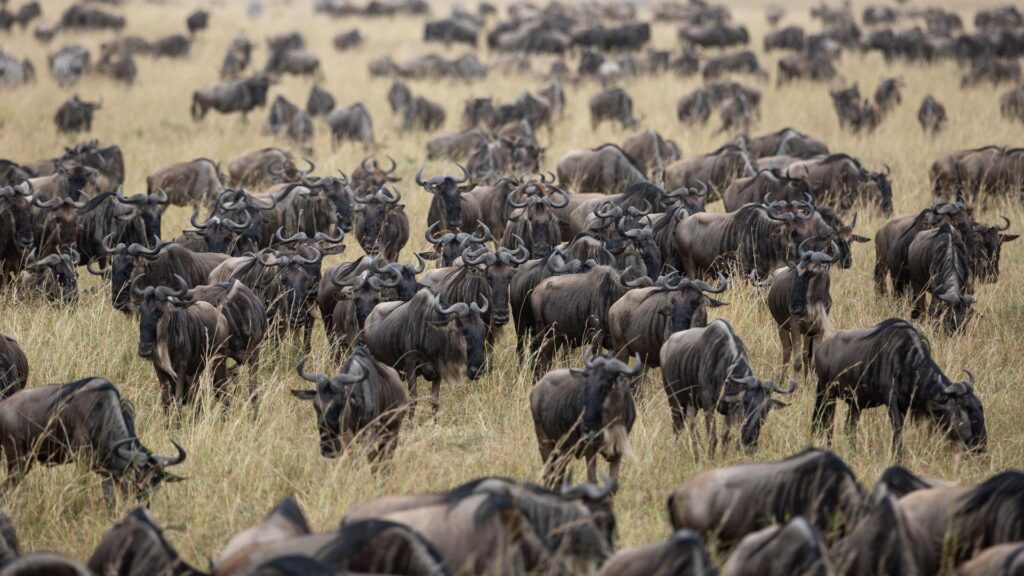
- Wildebeest — year-round residents in smaller numbers; the full Migration crosses July–October
If visiting the reserve during the wildebeest migration (July – October): your driver-guide will know which crossing points are active based in radio updates. Position yourself at the crossing early and be patient- the timing is extremely unpredictable. The river crossing one of the most dramatic spectacle on earth but it demands patience and timing.
Hot air balloon safari: These are available from multiple operators in the Mara and must be booked in advance. Launches take place at dawn and last about an hour over the plains. The cost ranges between USD480 – 550 per person and includes a champagne breakfast after landing. This is literally a picture-perfect opportunity.
Night 6: Same lodge inside the Mara.
Day 7: Masai Mara — Return to Nairobi
You have two options on the final day:
Option 1: Drive to Nairobi (6 hours). This is a budget-friendly option where visitors leave by 7:00AM and arrive in Nairobi by early afternoon allowing time for hotel and lunch stops and an airport transfer for an evening flight. The drive is same route via Narok.
IMPORTANT: If driving, do not book a flight before 7:00 PM. The roads can get congested and the last thing you want is to miss your flight.
Option 2: Fly out of the Mara. This is a car hire alternative. If you opted for a fly-in fly-out safari car hire option – i.e., you drove to Mara but fly back, there are several carried such as SafariLink and Air Kenya operating daily flights from Keekorok, Ol Kiombo, and Musiara airstrips back to Wilson Airport. The flight time is approximately 45 minutes and costs between USD 180 – 220 for a one-way ticket. Wilson Airport is approximately 40 minutes from JKIA. This is the best option if you have a tight connection at JKIA or you don’t want to spend 6 hours in a vehicle after a full day in the Mara.
At Centric Safaris, we can arrange a drop-off of your car rental in Nairobi while you fly out or include coordination in your safari package. Contact us to arrange this →
What to Budget: 7-Day Kenya Safari Cost
The cost varies significantly depending on the type of accommodation, whether on self-drive or using a driver-guide. Here are a realist framework for easier planning:
| Category | Budget estimate (based on 2 sharing) |
| 4×4 car hire (7 days, driver-guided, all-inclusive) | USD 1400–2100 |
| 4×4 self-drive hire (Nakuru + Naivasha legs, 4 days) | USD 900–1200 |
| Driver-guide for Mara days (3 days) | USD 240–360 |
| Park entry fees (Nakuru 2 days, Naivasha/Hell’s Gate, Mara 2 days) | USD 550–750 per person |
| Accommodation (mid-range lodge, full board) | USD 150–300/night |
| Fuel (if self-driving) | USD 200–350 for the full route |
Total indicative range: USD 2,500–4,500 per person for a mid-range, fully serviced trip over 7 days, excluding international flights.
For budget travelers, camping at public campsite can be done for considerably less. For luxury lodges, budget can range from USD500-1000+ per night at high-end Mara conservancy camps.

Practical Tips for This Route
Book your Masai Mara accommodation at least 3 months in advance especially when travelling during peak migration season: Both main reserve lodges and conservancy camps fill up quickly with best positioned camps selling out 6 months ahead of the season.
Pre-pay all park fees online before you arrive. All KWS managed parks must be paid online via the eCitizen portal. Cash is not accepted. The Masai Mara Reserve is manage by the Narok County Government and uses a separate payment system. Confirm with the tour operator which portal to use as they are updated frequently.
Carry cash for small expenses outside the parks — tips for staff and guides roadside food stops in Narok town, and any incidental purchases.
Start every driving day early. Nairobi’s traffic is worst between 7:30 and 9:30 AM. Every day you leave by 6:30–7:00 AM you’ll save 45 minutes to an hour on most legs.
Your 4×4 must be in good mechanical condition before you set off. Ensure your vehicle has a full spare tyre, a working jack, and a basic tool kit — this is standard on all our hired vehicles, but worth verifying at pickup.
Frequently Asked Questions
- Can I do this 7-day itinerary on my own without a tour operator? Partly. The Nairobi–Nakuru–Naivasha legs are fully doable as an independent self-drive, but the Masai Mara requires a licensed driver-guide inside the reserve. You can hire a car for the first half and arrange a driver-guide separately for the Mara days — or book through us and we handle both.
- Is 7 days enough for this route? Yes, comfortably. You won’t feel rushed if you follow this structure. The two nights at Nakuru and one night at Naivasha give you meaningful time at each location, and the two nights in the Mara allow for a full day of game viewing.
- When is the best time to do this itinerary? Year-round for this circuit. July–October gives you the wildebeest migration and dry-season game viewing at its best — but also the highest park fees and accommodation prices. January–March and June are excellent for clear weather and lower crowds. April–May is the long rains, which makes roads muddier but is beautiful and very quiet.
- Can I do this route in a regular saloon car? No. Nakuru and the Mara require at minimum a high-clearance vehicle; the Masai Mara effectively requires a properly equipped 4×4. A saloon car would struggle on internal park roads, especially after rain, and may be refused entry at some gates.
- What if my flight lands late on Day 1? We offer 24-hour airport pickup at JKIA. If you arrive late, collect your vehicle, check into your Nairobi hotel, and start the circuit fresh on Day 2 morning as planned — the Day 1 buffer is built into this itinerary exactly for this reason.
- Can I do a fly-in, fly-out option just for the Masai Mara days? Absolutely. A popular setup is: drive from Nairobi to Nakuru and Naivasha, then fly from a Nairobi-area airstrip to the Mara for your Mara days, and fly back to Nairobi from the Mara. We coordinate the ground vehicle and the airstrip transfers on both ends. Ask us about fly-in fly-out safari car hire for the Mara →
Ready to plan your 7-day Kenya safari? We can customize this itinerary around your specific dates, accommodation budget, and group size — and handle everything from JKIA airport pickup to Mara gate coordination in a single booking.
Browse our 4×4 safari vehicle fleet → | Get a free quote for this itinerary →