

Arriving in a foreign country and immediately getting behind the wheel gives a different kind of culture shock. You can’t compare this to getting a guided tour. If you are weighing self driving car hire in Nairobi against chauffeured services, this guide is not a checklist. Instead, it is specially written for tourists, ensuring nothing gets you off guard. Here you’ll learn about unfamiliar currency, driving etiquette, road signs, and the Kenyan traffic culture.
If you have already read generic “how to rent a car in Kenya” articles, this goes deeper into the tourist-specific details that usually come up while on the road.
What Surprises Most First-Time Foreign Drivers in Kenya
Before diving into logistics, you need to know what surprises and stirs up visitors who have never driven in Kenya before:
- Left-hand driving: If you are coming from the EU, the US, or most Asian countries, this takes a day or two of conscious adjustment.
- Roundabout etiquette: The rule is to always give way to the right. This may differ from most countries.
- Matatu culture: Matatus are privately operated minibuses that stop, swerve, and overtake unpredictably. You must keep extra following distance around the matatus.
- Informal traffic negotiations: eye contact and hand gestures are used as substitutes for strict lane discipline at junctions without traffic lights.
- Boda Boda density: Motorcycle taxis usually weave through the traffic unbothered by traffic rules and the constant peripheral awareness needed.
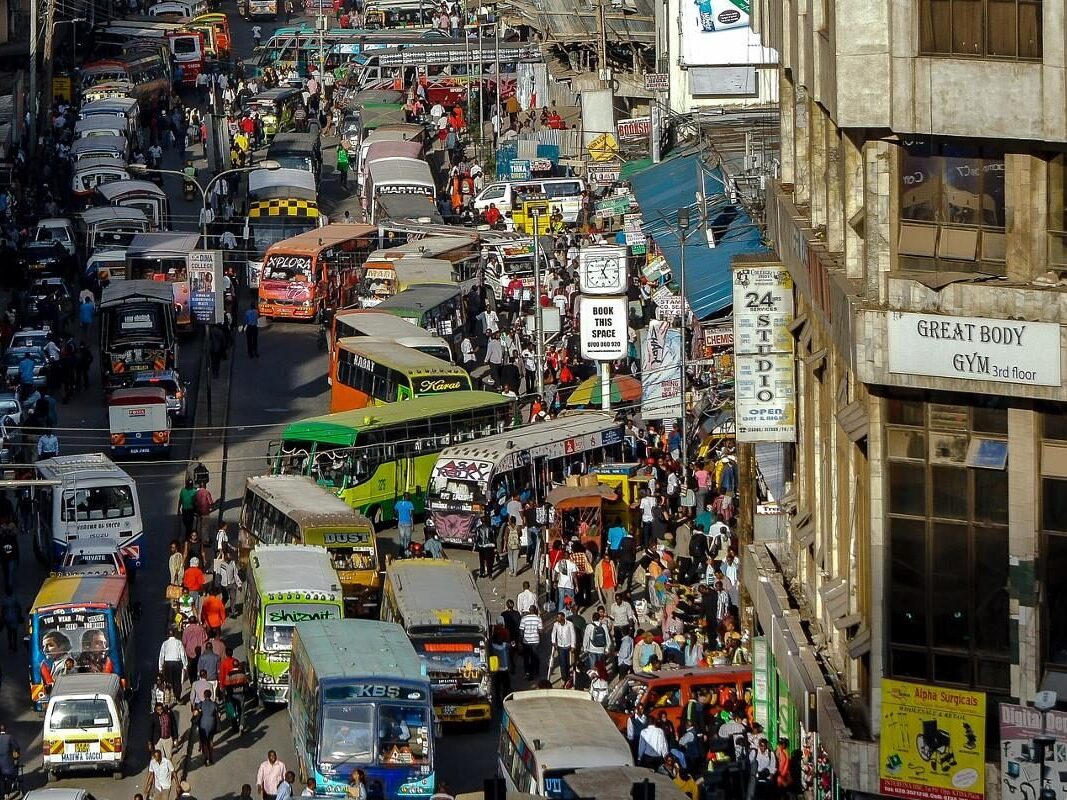
None of these make self-driving unsafe- thousands manage it every year. These tips, however, give you a realistic expectation rather than discovering these patterns mid-journey.
Currency, Costs and Paying as a Tourist
One detail rarely discussed in general rental guides is how money moves during your trip.
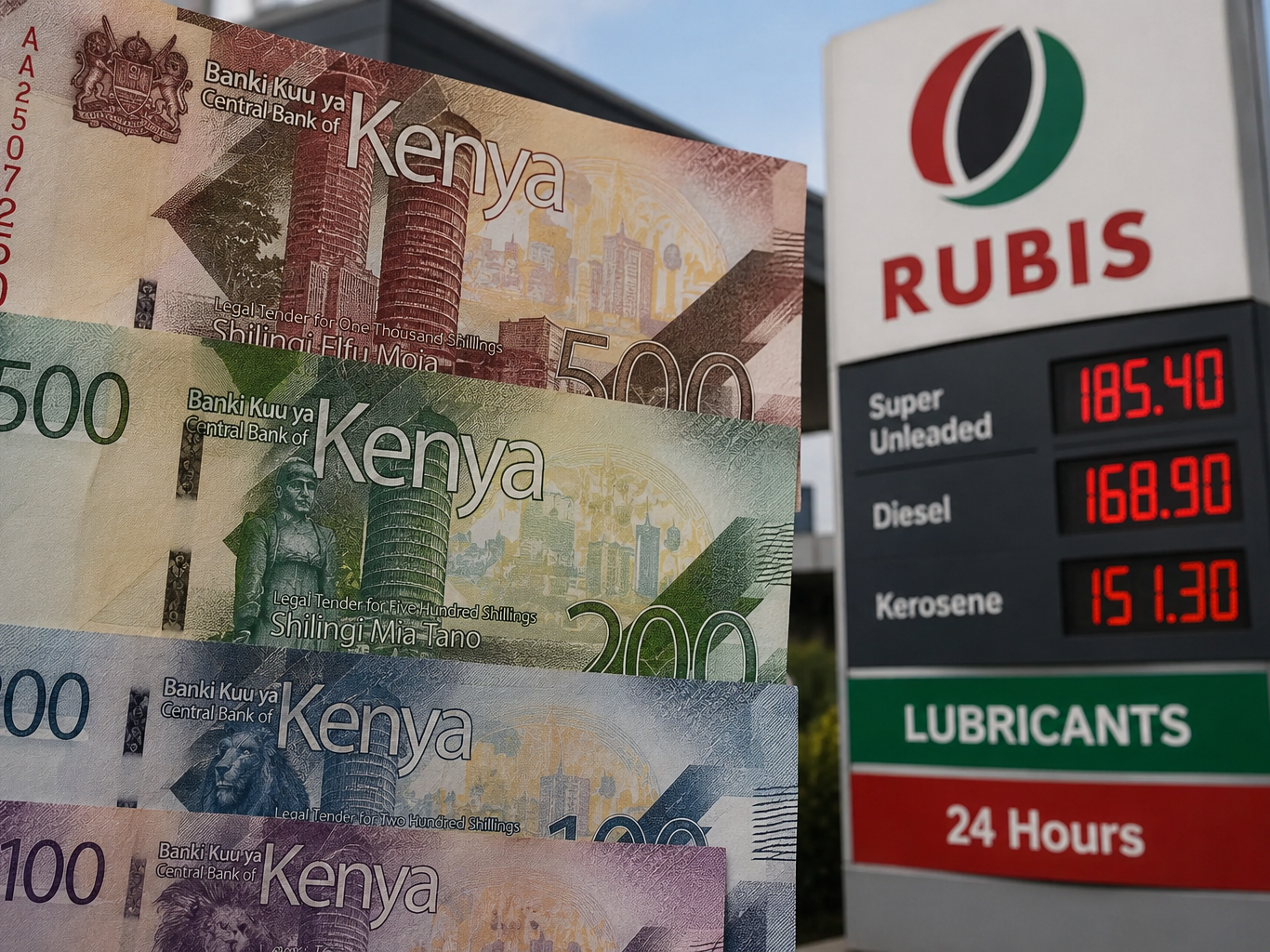
- Kenyan Shilling (KES) is the primary currency on the road: tolls, fuel stations, and park gates rarely accept foreign currencies directly.
- Card acceptance is inconsistent – carry cash outside Nairobi, especially for fuel in smaller towns.
- Mobile money (M-Pesa) dominates transactions: you likely won’t have access to Mpesa as a tourist, so don’t expect to pay the way locals do.
- Rental deposits are usually held in foreign currency and converted at the bank rate: Always ask which currency your deposit will be charged and refunded in to avoid conversion losses.
If you are hiring a self-drive car for a long-distance trip, withdrawing cash at an ATM in larger towns along your route is safer compared to carrying large sums from day one.
Visa, License and Paperwork Specifically for Non-Residents
Foreign visitors need a different set of documents compared to Kenyans booking the same self-drive car rental in Nairobi:
- A valid passport with sufficient validity remaining for your stay
- Kenya Visa or eTA approval (you will need to apply before arrival)
- Driving license from your home country
- International Driving Permit (IDP) – strongly recommended since most traffic officers are unfamiliar with foreign-format licences.
- Travel insurance documents: Although not required by car rental companies, it is worth having it of planning to travel to remote areas away from major medical facilities.
Reading Kenyan Road Signs and Markers as a Visitor
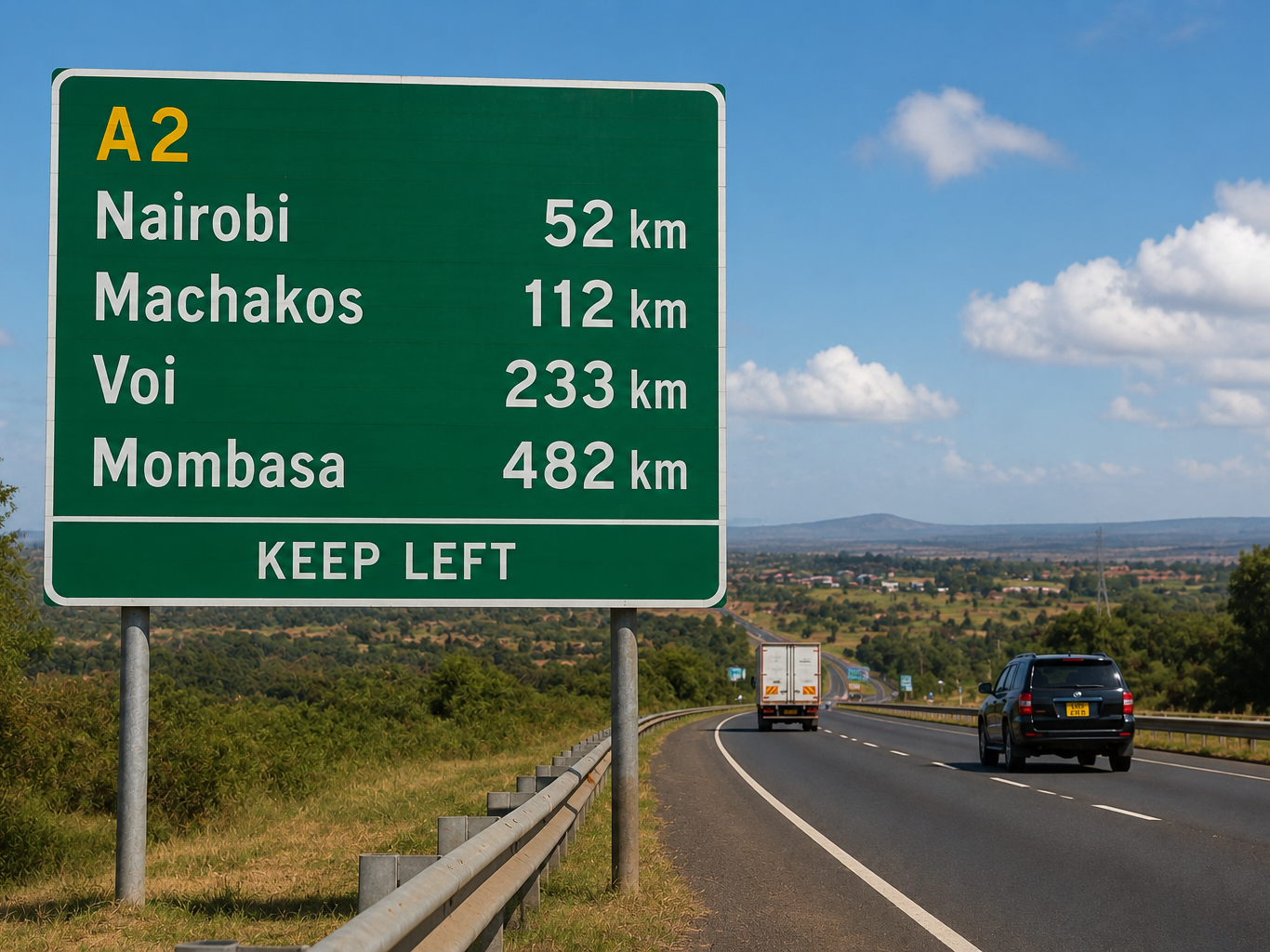
Road signage across Kenya follows international convention, but a few quirks are worth noting for tourists:
- “Bump ahead” warnings are common but inconsistently placed: some speed bumps will give little advance notice.
- Police checkpoints use cones rather than fixed signage- slow down on approach to a uniformed presence on the roadside.
- Distance markers are sparse on rural roads- download an offline map before departure.
English and Swahili mixed signage – most signs are in English, but local town names and directions may be displayed in Swahili phonetic spelling, differing from what may be on your map app.
How Foreign Visitors Should Choose Between Nairobi Pickup and Airport Delivery
Most self drive car hire service providers offer two pickup options, and you should weigh them differently:
Airport (JKIA) Delivery – best for first-time visitors in Kenya. You avoid navigating the traffic on jet lag, and most providers will give a long documentation and orientation brief at the airport.
City Office Pickup – Best for visitors who have already spent a night or two in Nairobi or those extending their trip and feel comfortable with local traffic patterns.
Airport (JKIA) Delivery: Best if this is your first time in Kenya. You avoid navigating Nairobi traffic on jet lag, and most providers will do a longer documentation and orientation briefing at the airport since they know you’re arriving cold.
If you are not sure, airport delivery is the safer option for first-time travellers- the small convenience fee is worth avoiding the stressful first drive.
Cultural Etiquette on the Road That Visitors Often Miss
A few unwritten rules that are not illegal to break but will show your unfamiliarity with local norms include:
- Flashing headlights signal “go ahead” rather than “I’m coming through,” a reverse convention in most countries.
- Hooting (honking) is used liberally and often as a courtesy signal rather than aggression.
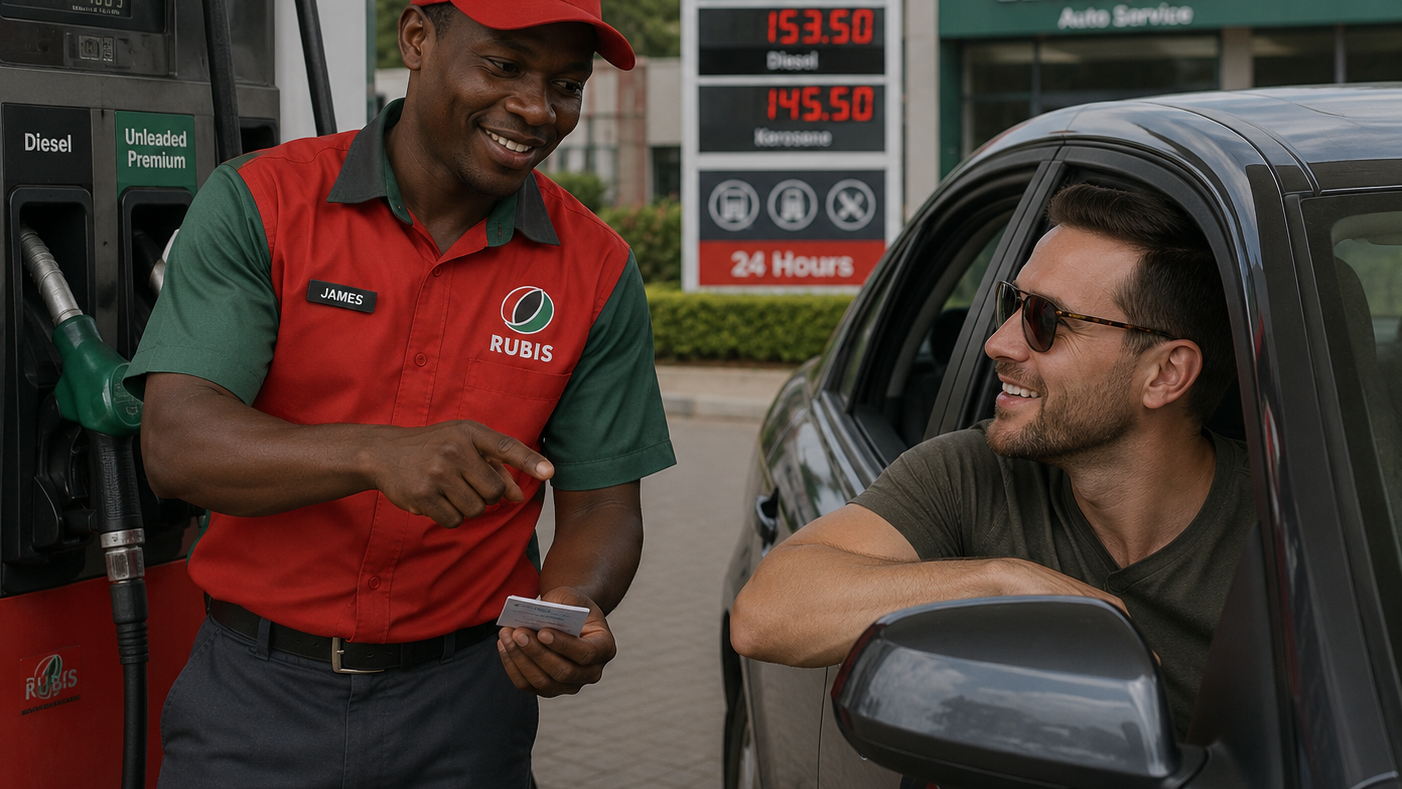
- Tipping at a fuel station for attendants who pump your fuel (no self-service) is uncommon.
Greeting before transacting- a quick “Jambo” (how are you) before asking for direction or assistance gets a warmer response rather than jumping straight to the question.
Safety Considerations Specific to Foreign Self-Drive Travelers
Beyond standard road safety, foreign visitors should factor in a few extra precautions:
- Avoid displaying valuables visibly in the car, particularly when parked in urban areas
- Keep doors locked while driving in dense traffic areas, a common-sense habit in most major cities worldwide but easy to forget when distracted by new surroundings
- Plan arrival times to reach overnight stops before dark wherever possible, since unfamiliar rural roads at night are harder to navigate safely
- Register your trip itinerary with your embassy or a trusted contact if you’re heading to remote areas with limited connectivity
- Save local emergency numbers (and your rental provider’s 24/7 line) in your phone before setting off, not after you need them
What Foreign Visitors Should Ask Before Confirming a Self Drive Booking
Before paying a deposit, foreign visitors specifically should confirm:
- Whether the rental agreement is available in a language you’re fully comfortable with
- What currency the security deposit will be charged and refunded in
- Whether the provider offers an orientation briefing covering local driving norms, not just vehicle controls
- What happens in the event of an accident — claims process, language support, and embassy notification procedures if applicable
- Whether breakdown or emergency support is available in English (or your preferred language) around the clock

Final Thoughts for Foreign Visitors Considering Self Drive Car Hire in Kenya
Self-driving in a country you’ve never visited before is a genuinely different experience from renting a car in familiar territory back home. The mechanics of self drive car hire in Kenya — paperwork, insurance, pickup logistics — are similar everywhere, but the surrounding context (currency handling, road culture, local etiquette) is where most foreign visitors either feel confidently prepared or genuinely caught off guard.
Going in informed about these specifics, rather than relying solely on general car rental advice, makes the difference between a stressful first day and a trip you actually enjoy navigating yourself.
Centric Safaris works specifically with foreign visitors renting self drive vehicles in Nairobi and across Kenya, offering airport delivery, English-language orientation briefings, and 24/7 support designed for travelers unfamiliar with local roads and customs.
Frequently Asked Questions for Foreign Visitors
Do foreign visitors need an International Driving Permit for self drive car hire in Nairobi? It isn’t always a strict legal requirement, but it’s strongly recommended since traffic officers may be unfamiliar with foreign license formats without one.
What currency should foreign visitors carry for self drive trips in Kenya? Kenyan Shillings are needed for most on-the-road payments such as fuel and park fees; card acceptance becomes less reliable outside major towns.
Is airport delivery recommended for first-time foreign visitors renting a self drive car? Yes, most first-time visitors find airport delivery easier than navigating Nairobi traffic immediately after a long flight.
Are Kenyan road signs in English for foreign drivers? Most official road signage is in English, though some local place names follow Swahili spelling that may differ slightly from map apps.
What should foreign visitors do if involved in an accident while self-driving in Kenya? Contact your rental provider’s emergency line immediately, follow their claims process, and notify your embassy if the situation requires it.